• Wood-grain decorative panels
  • Wood-grain decorative panels
  • Wood-grain decorative panels
  • Wood-grain decorative panels
  • Wood-grain decorative panels
  • Wood-grain decorative panels
  • Wood-grain decorative panels
  • Wood-grain decorative panels
  • Wood-grain decorative panels
  • Wood-grain decorative panels
  • Wood-grain decorative panels
  • Wood-grain decorative panels
  • Wood-grain decorative panels
  • Wood-grain decorative panels
  • Wood-grain decorative panels
  • Wood-grain decorative panels

Wood-grain decorative panels

Item Specification
Base Material MDF / HDF / Plywood / Particleboard
Standard Size 1220×2440mm / Custom sizes available
Thickness Range 3mm – 25mm
Surface Treatment UV coating / Melamine lamination / PVC film
Fire Rating B1 (Flame-retardant optional)
Environmental Standard E0 / E1 formaldehyde emission
Installation Mechanical fixing / Adhesive bonding
Maintenance Wipe with soft cloth and neutral cleaner
$0.00
W01:
W1
W1
W2
W2
  • Wood-grain decorative panels
  • Wood-grain decorative panels
  • Wood-grain decorative panels
  • Wood-grain decorative panels
  • Wood-grain decorative panels
  • Wood-grain decorative panels
  • Wood-grain decorative panels
  • Wood-grain decorative panels

Description

Product Overview

Wood-grain decorative panels give a wall, a wardrobe front or a run of cabinet doors the look of timber without the variation that comes with a natural face. The figure is printed onto the board and then sealed under a UV coating, a melamine laminate or a PVC film, so the grain, the tone and the gloss level repeat from the first panel to the last. That predictability is what matters when an elevation is thirty doors long, or when the same wardrobe is specified for two hundred guestrooms.

The face sits on an engineered core — MDF, HDF, plywood or particleboard — chosen for the part rather than for the look: flat and stable where a wall panel has to stay dead straight, denser where a thin door skin still needs to feel solid, layered where joinery is opened and closed every day.

Most of this material goes to furniture manufacturers, joinery shops and fit-out contractors, and to distributors stocking a defined range. Where a scheme mixes surfaces — a printed face on the corridor panelling, a real face on the reception desk — we can act as the wood veneer panel supplier for both sides of the order, so tone matching happens once instead of between two suppliers.

- The same figure, panel after panel. Digital printing repeats one pattern at a fixed scale, so a multi-door elevation reads as a single surface instead of drifting the way a natural veneer run does. - Cores that stay flat. MDF, HDF and particleboard hold their shape in heated offices and air-conditioned guestrooms, where solid timber tends to cup or split. - Nothing to oil or re-finish. A sealed face has no open grain to feed, so a panel arrives finished and stays that way. - It runs on your existing line. Panels cut, drill, groove and edge like any engineered board, so CNC programmes and edge-banding settings carry over without a new process. - A reference that survives a repeat order. For wholesale wood grain panels we keep the approved pattern, gloss and tone on file and check each batch against it, so a stock re-order arrives as the same shade rather than as a near miss. - Workability where it counts. Panels take a machined edge cleanly, accept a shadow gap, and can be routed or profiled where the design calls for a groove or a reveal.

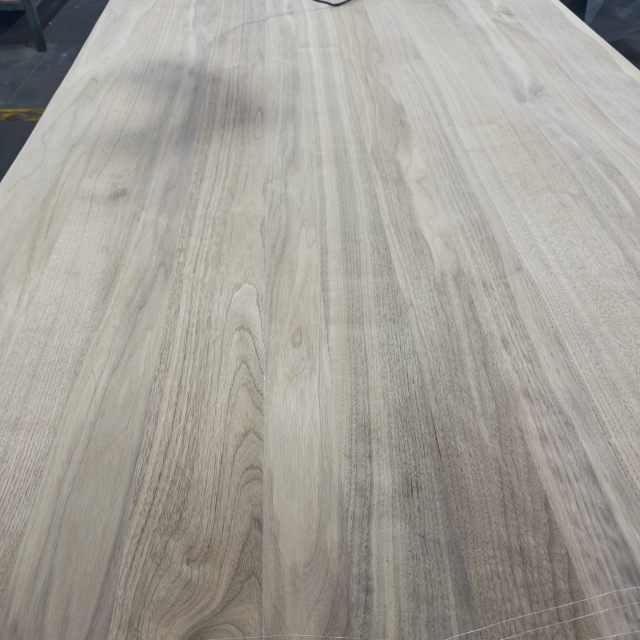
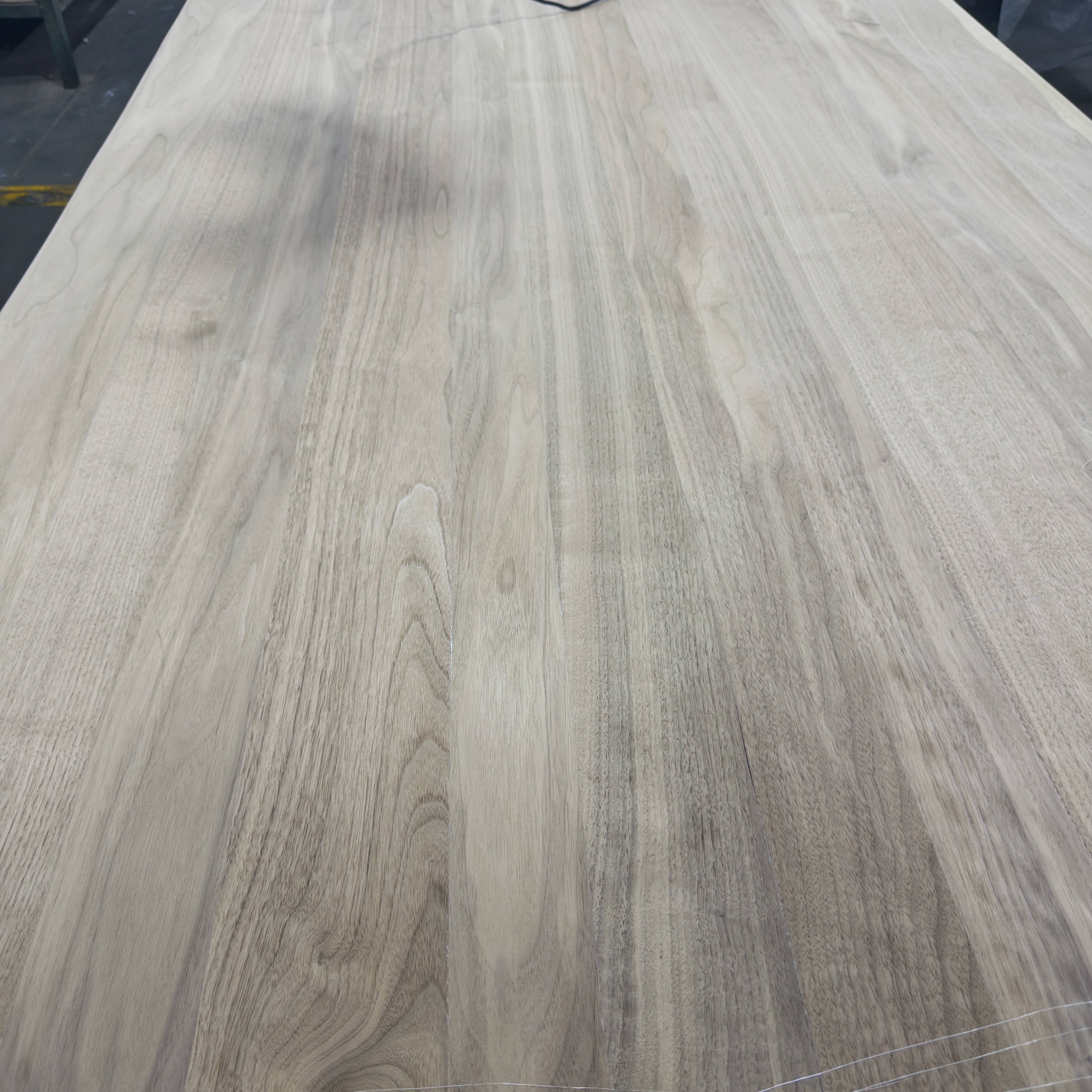
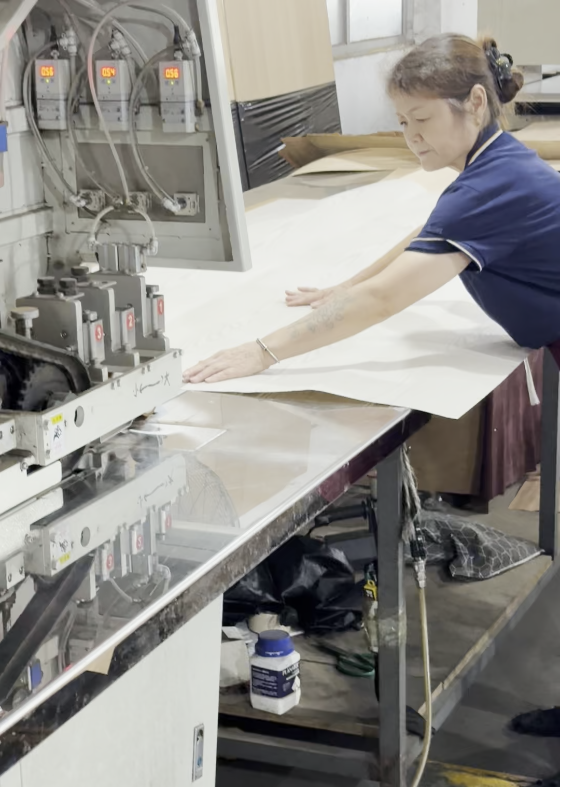
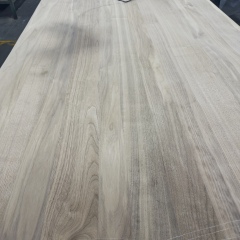
Large light brown wood-grain sheet in a workshop.

Substrate and Surface Build

Cores. MDF is the most uniform base and the one to choose when the panel will be routed, profiled or given a fine printed face that needs a dead-flat bed. HDF is denser and is used at the thin end of the range, where a slim door skin or drawer front still has to feel solid and hold a clean edge. Plywood brings layers and screw-holding for joinery that is opened and closed daily — wardrobe internals, drawer boxes, built-in seating. Particleboard is the economical core for volume casework and shelving where a frame or a fixed side carries the load.

Thickness by part. At 3–5 mm the panel is a skin: cabinet backs, curved panelling, door faces laminated onto a frame. Around 9–12 mm it becomes a drawer bottom, a light partition or a shelf that does not show its edge. From 16–18 mm it is a carcass panel — wardrobe sides, desk tops, kitchen cabinets. At 25 mm it is a shelf, a counter detail or a reveal where the thickness itself is part of the design.

Surface and print. UV coating gives the hardest, most wear-resistant face and holds its gloss level on horizontal surfaces that get touched. Melamine lamination delivers very even colour across large runs and suits vertical panels and casework. PVC film wraps a radius and holds a chipped edge better, which is why it is used on shaped and curved work. The print underneath reproduces grain lines, knots and pore detail at a controlled scale.

Edges and behaviour. Panels take an ABS or PVC edge band, a veneer or solid-timber lipping, or a square edge left open for a shadow gap. A wood grain panel manufacturer prints, cures and laminates in separate passes, and gloss can shift between them — a photograph is not a reliable guide to the match. Interior wood grain wall panels are usually seen at an angle and under raking light, so a vertical test piece tells you more about the match than a sheet lying flat on a bench.

Where a scheme needs a genuine veneer face rather than a printed one, we also handle veneer from 0.25 mm to 4.0 mm, and our sample sets show the same figure in a natural and a stained version side by side so the difference is visible before the order is placed.

Certifications and Testing

The panels are supplied against third-party certification for the line: SGS, CE and ISO9001, covering fire performance, formaldehyde emission and general durability. Certificates are issued for the build and grade you order, so the document that arrives with your batch should name the same emission grade and fire class that appears on your purchase order.

Testing is not only paperwork. Every wood veneer panel supplier can forward a certificate; the useful question is whether that certificate belongs to the pattern and build you are actually buying, which is why the document is matched to the specification before an order is confirmed. Pre-shipment inspection covers the face, the print alignment, the edge and the packing, and the batch is held against the approved reference rather than against a catalogue image.

For projects with an indoor air quality requirement, ask for the emission grade documentation at specification stage rather than at delivery — a specification is easier to change than a shipment.

Fixing, Cleaning and Care

  • Mechanical fixing. Screw through a batten, cleat or concealed subframe. On a wood veneer wall panel over plasterboard, set the battens on the stud line first so the face stays flat and every fixing lands on structure.
  • Adhesive bonding. Full-spread contact or panel adhesive onto a flat, dry substrate. Spread it evenly — voids behind the panel show up as a hollow or a ripple under raking light, even when the face itself is perfect.
  • Cutting and edges. A fine-tooth blade for thick panels and a scoring knife for thin skins. Band or seal the cut edge before installation; in a kitchen or a bathroom it is the edge, not the face, that lets moisture in.
  • Routine cleaning. A soft cloth and a neutral cleaner are enough. Wipe with the grain and dry the surface afterwards rather than leaving it wet.
  • What to avoid. Abrasive pads, solvent cleaners, bleach and steam cleaners dull or lift the face. Never let water stand on an open edge.
  • Before installation. Stack panels flat in the room where they will be fitted so they settle to the same temperature and humidity as the wall.
  • Handling on site. Carry panels on edge rather than flat, keep the protective film on until the room is clean, and lift rather than drag a panel across a finished floor.

Application Scenarios

  • Residential wall cladding. Interior wood grain wall panels fixed to plasterboard or over battens in living rooms, bedrooms, entrance halls and stairwells, where the warmth of timber is wanted without the movement of solid boards.
  • Wardrobes and closet systems. Carcass sides and doors in the same figure, with the grain run vertically across a bank of doors so the elevation reads as one piece.
  • Kitchen cabinetry. Door and drawer fronts in melamine or PVC film, where the face has to survive steam, grease and a wipe-down at the end of every day.
  • Office furniture. Desks, partitions and storage walls where two hundred units have to look like two hundred units, not two hundred variations.
  • Hospitality joinery. Guestroom wardrobes, corridor panelling and reception fronts, in the matte finishes that hide handling marks between refits.
  • Commercial fixtures. Counter fronts, display backs and shelving, where a strong colour or a dark walnut sets the tone and a matte face keeps fingerprints down.
  • A wood veneer wall panel behind a bar or a desk. Where the brief wants a real veneer feature with printed panels around it, the same tone is matched across both so the room reads as one material.
  • Contract furniture and millwork. Wood grain panels for furniture programmes are specified once and re-ordered for months, so the pattern has to be repeatable above all.
  • Boutique hotels. Guestroom wardrobes and corridor panelling in the same figure, so a guest meets the same timber from the lift lobby to the room. Matte finishes are the usual choice for corridors because they hide trolley scuffs and handling marks. - Luxury apartments. Full-height cladding, kitchen cabinetry and wardrobe fronts cut from one pattern, with the grain carried vertically through the rooms so the joinery reads as part of the architecture. - Commercial interiors. Counter fronts, display backs and shelving, where a dark walnut or an ebony tone sets the brand and a matte face keeps fingerprints off a surface the public touches. - Offices. Desk tops, partition panels and storage walls, specified for consistent tone across a floor plate and for a low-emission build in a sealed, air-conditioned interior. - Distributor ranges. Wholesale wood grain panels are usually held as a defined set — a few species and two or three gloss levels — so a distributor can promise the same finish on repeat orders without stocking every pattern. - Contract furniture programmes. A wood grain laminate panel programme is quoted by pattern and cut size, and the same approved reference is used for every release, so a range launched in one season can be extended in the next.

Species, Gloss and Pattern Range

Species. The range runs across oak, walnut, maple, ash, teak and ebony, plus custom prints. Oak is the workhorse — pale, straight-grained and safe across large elevations. Walnut is dark and warm and tends to be used where the panel is meant to be noticed: a reception wall, a boardroom, a dark kitchen. Maple is clean and low-contrast; ash carries a more pronounced figure while staying pale; teak sits in a warm mid-brown that suits hospitality; ebony is near-black and used for contrast details and framing.

Gloss. Matte, semi-gloss, high-gloss and textured grain. Matte absorbs light and hides joints, handling marks and the slight unevenness of an older wall — the usual choice for corridors and large runs. High gloss reflects the room and needs a flatter substrate and more careful handling to stay clean. A textured grain gives the face a tactile quality, and that is what closes the gap between a printed surface and a real one under a hand.

Pattern. Straight grain, cross grain, rustic with knots, wabi-sabi and clean minimalist tones. Interior wood grain wall panels are most effective when the grain follows the dominant line of the space: vertical grain makes a low ceiling feel taller, while horizontal grain widens a narrow corridor. Rustic and wabi-sabi prints are most effective on a large single field where the knots have room; minimalist tones suit repeated doors and long runs.

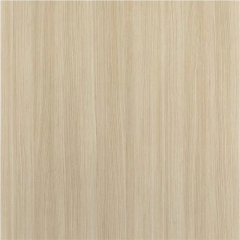
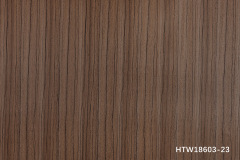
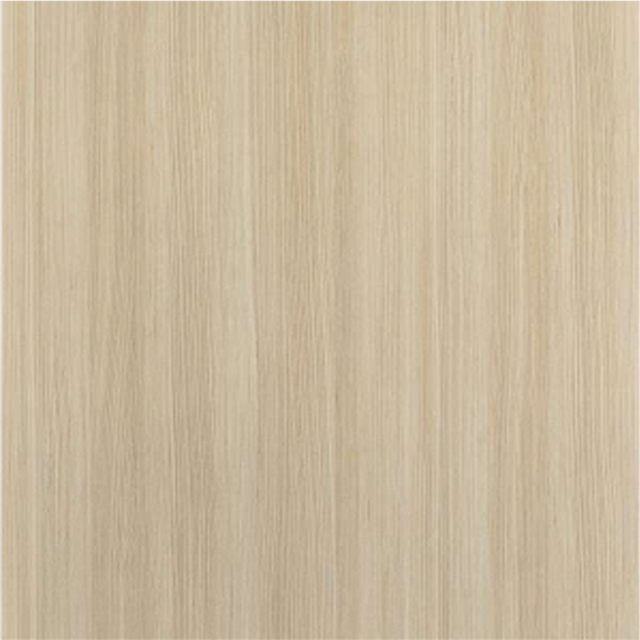
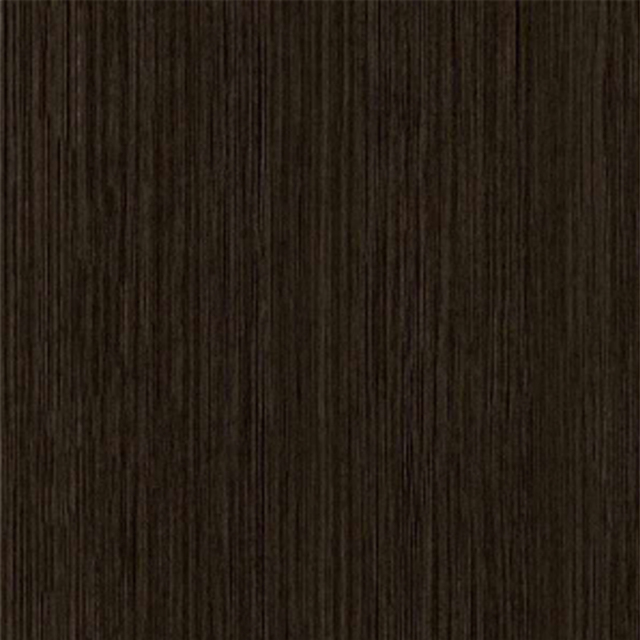
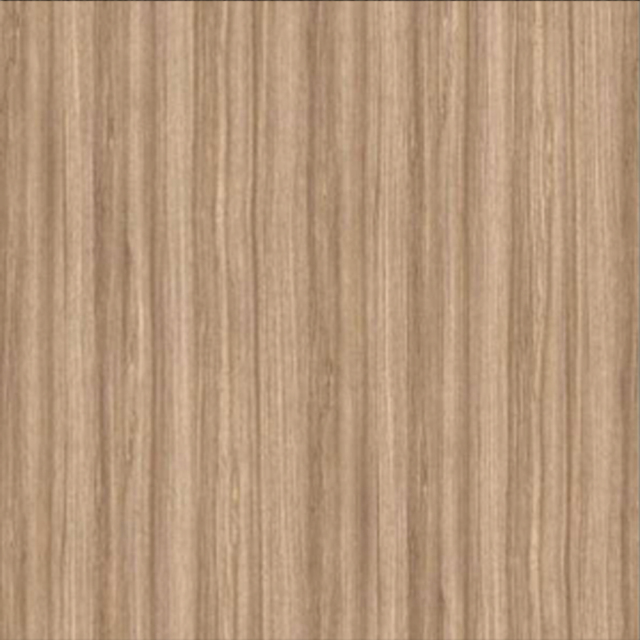
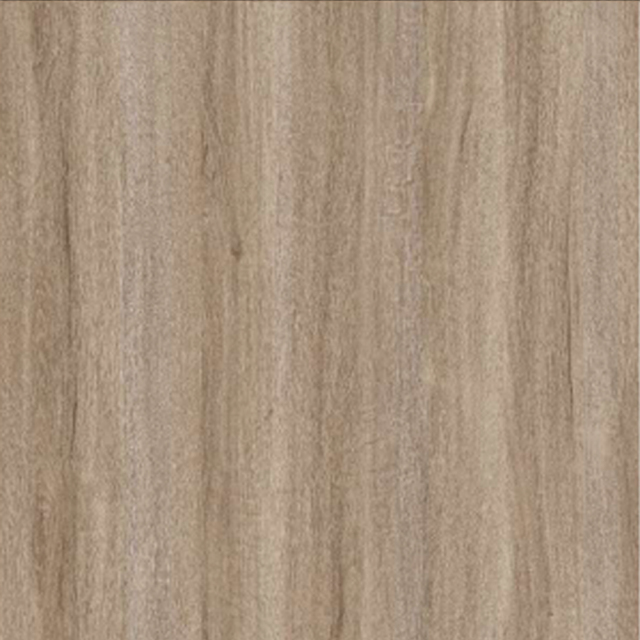
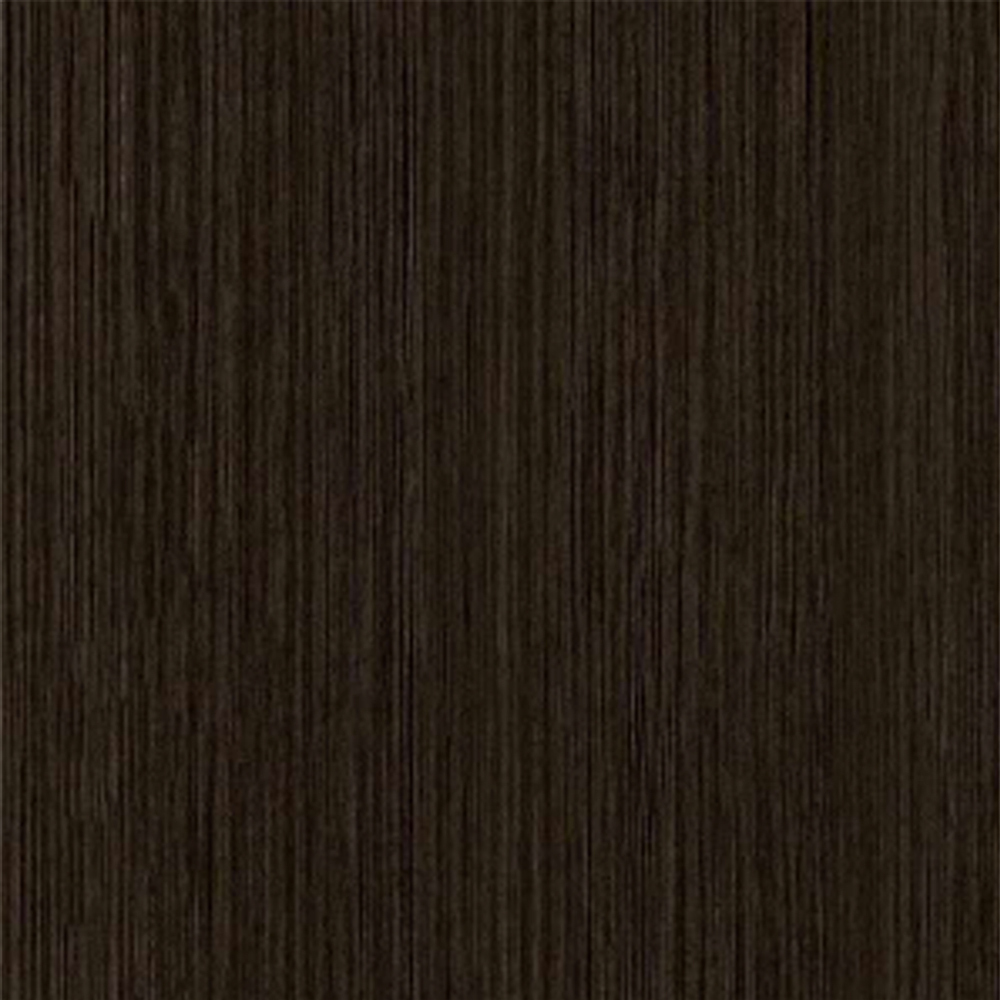
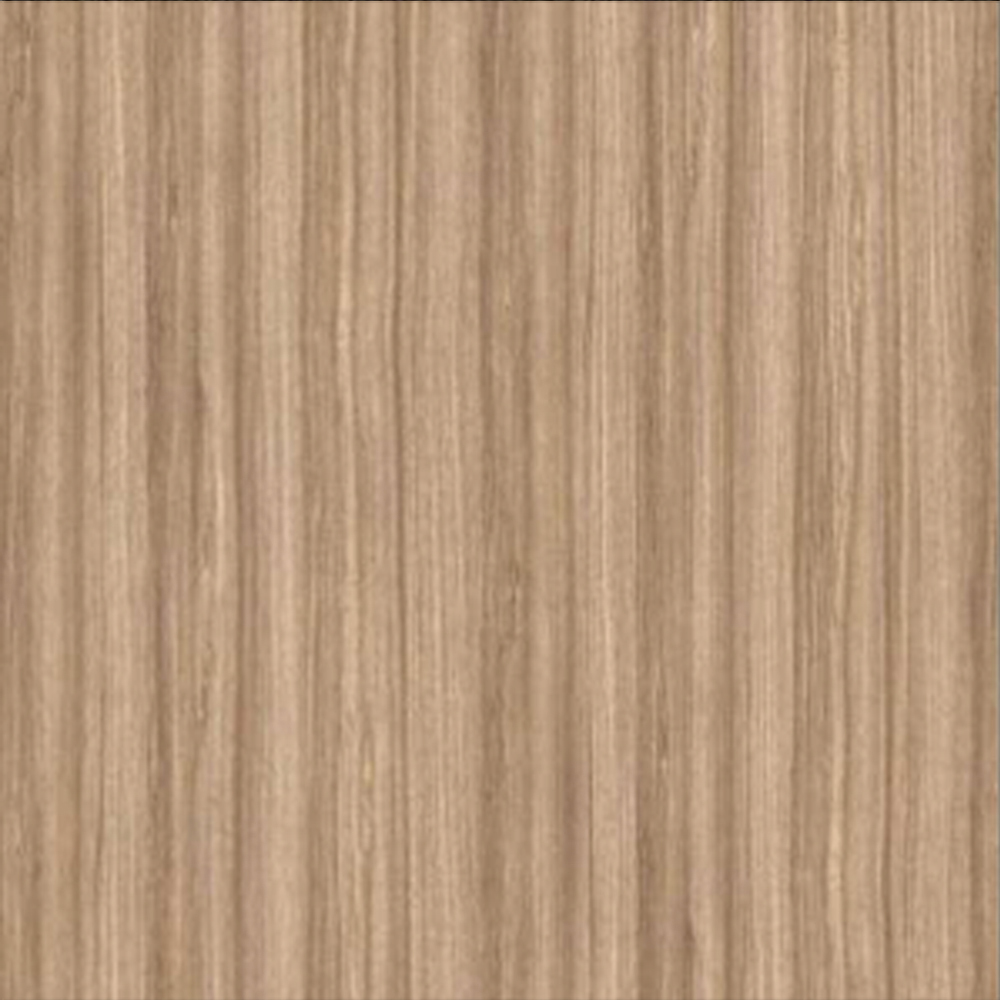
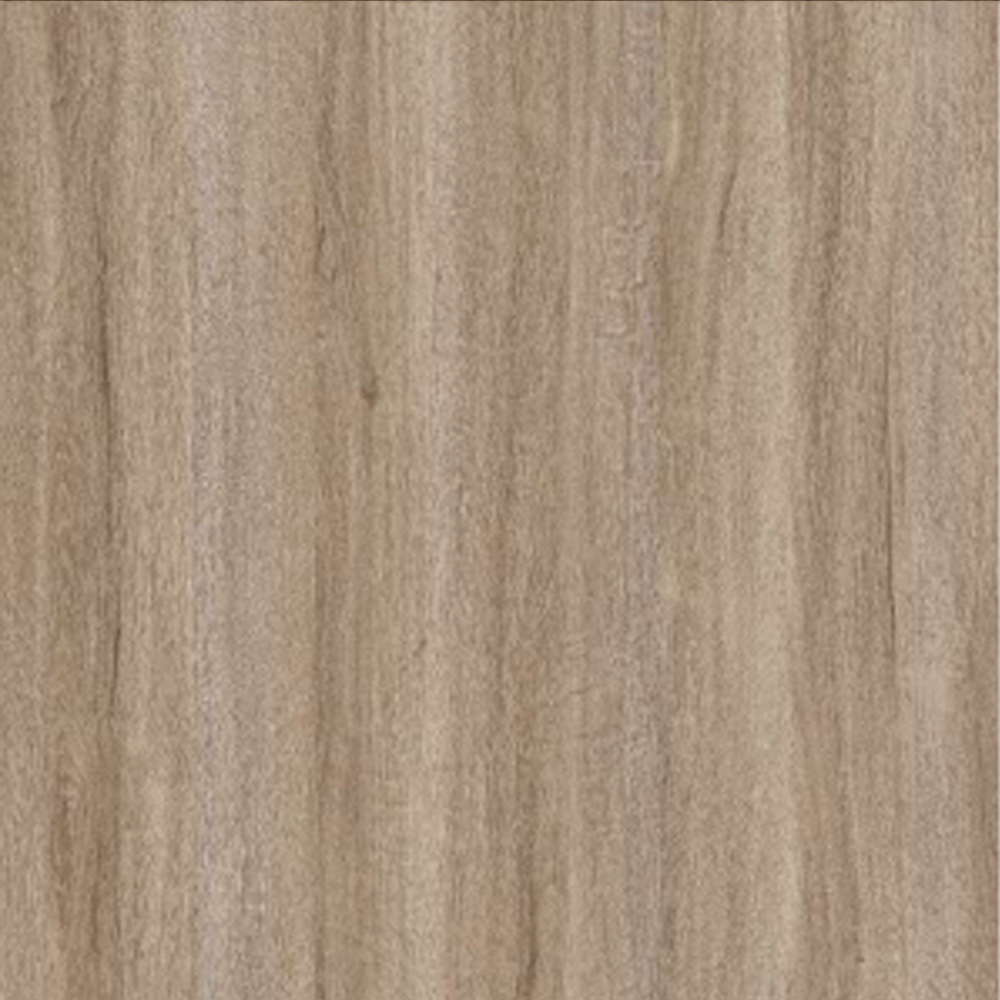
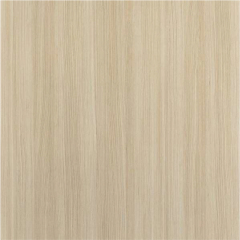
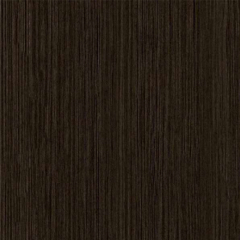
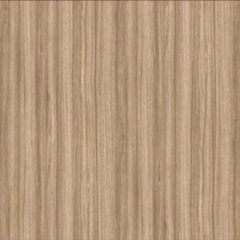
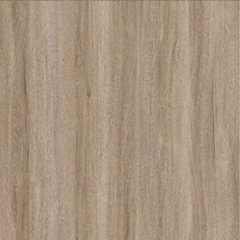
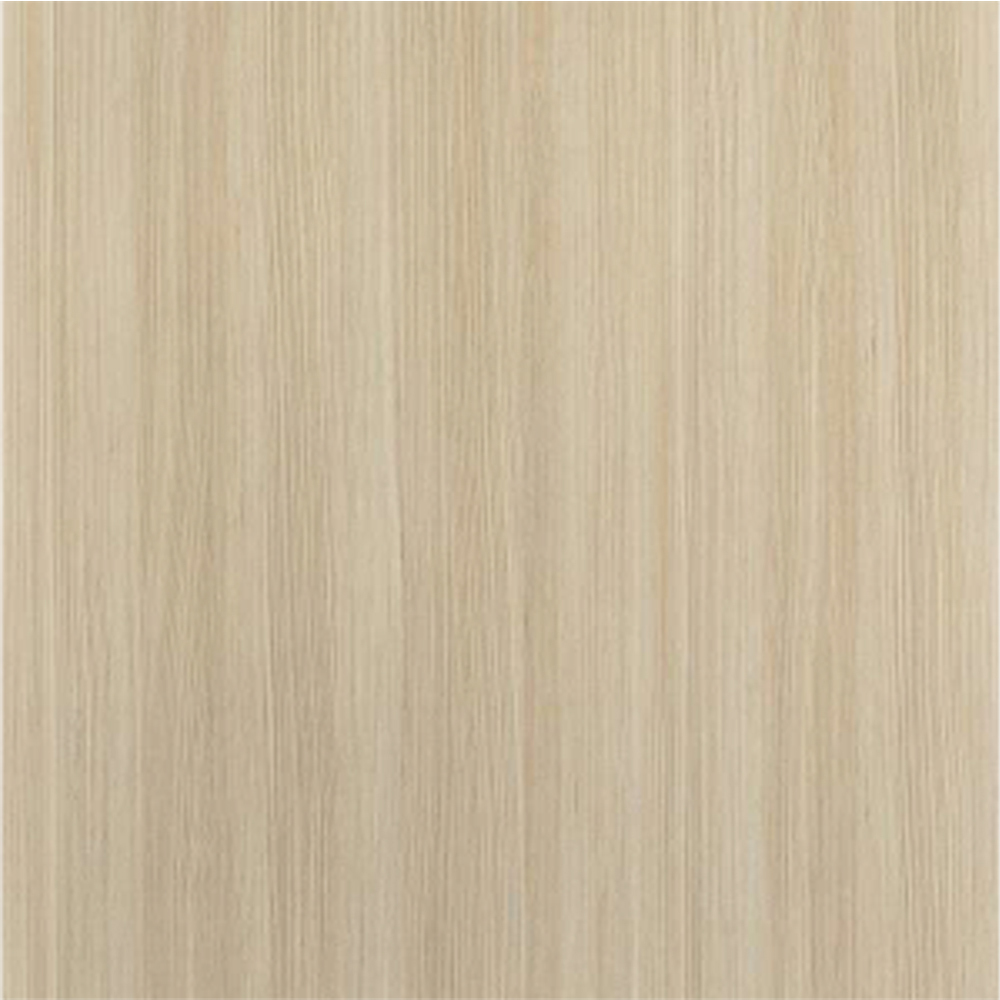
Our sample photography shows the range as it arrives: a light oak face with fine vertical grain and visible knots, a pale beige panel with a smooth matte surface, and a dark walnut-brown sample. Each sample panel carries a printed pattern code — the dark brown one is marked HTW18603-23 — so an approved finish is quoted and re-ordered by number instead of by photograph. Tell us about your project and our specialists will recommend the most suitable panel type, finish, and installation method for your needs.

Technical Specifications

ItemSpecification
Base MaterialMDF / HDF / Plywood / Particleboard
Standard Size1220×2440mm / Custom sizes available
Thickness Range3mm – 25mm
Surface TreatmentUV coating / Melamine lamination / PVC film
Fire RatingB1 (Flame-retardant optional)
Environmental StandardE0 / E1 formaldehyde emission
InstallationMechanical fixing / Adhesive bonding
MaintenanceWipe with soft cloth and neutral cleaner

Custom Patterns and Sizes

  1. Send the reference: a photograph of the scheme, a physical sample, a brand colour or a drawing of the part. If the figure already exists in the range, quote it by its pattern code and the process starts from a known point.
  2. We confirm species, grain scale, gloss and grain direction against that reference, then agree the core and thickness your process needs — a thin skin for a curved door or a heavier panel for a carcass or reveal.
  3. Approve a physical strike-off. The approved piece becomes the master reference for the run and stays on file, so a replacement batch months later is matched to the same standard.
  4. Confirm the cut size — the standard sheet or a custom size cut for your line, so the workshop is not trimming waste off every sheet. Custom wood veneer panels are matched to a project reference rather than picked from a swatch book, which is why the drawing matters more than the colour name.
  5. Agree the edge treatment — banded, lipped or left square for a shadow gap — before production, because the edge is where the panel is handled most.
  6. Production follows the signed-off strike-off, and every batch is checked before packing. Most wood grain panels for furniture are ordered to a cut list rather than a sheet size, so that cut list becomes part of the manufacturing instruction.

Project Briefing

  1. Send the panel schedule or the drawings — sizes, thickness and the quantity behind each size. A cut list is more useful than a single total area figure.
  2. Name the finish: species, gloss level and, where you have one, the pattern code of the sample you have already approved.
  3. State the compliance requirement — the emission grade your market or specifier asks for, and whether the project's fire strategy calls for a flame-retardant board.
  4. Tell us the destination and the date the panels are needed on site, so the production slot and the freight method can be planned together.
  5. If the scheme needs custom wood veneer panels rather than a stocked pattern, include the reference image or a physical sample with the brief — that single piece shortens the matching stage more than any description.
  6. We come back with a recommended build, a matched sample reference and a delivery plan for the full order.

Ordering, Packing and Delivery

ItemDetail
Minimum order100 sheets per design
Sample lead time5–7 working days
Production lead time15–25 days from order confirmation
Custom patterns and sizesQuoted per drawing; the approved sample becomes the production reference
PackingPanels protected with PE film and packed in palletized crates
ShippingSea or air freight, worldwide
Payment termsConfirmed with your sales contact when the order is placed

Supply Chain & Delivery Assurance

Guangzhou Chuxin Import & Export works as the coordination point between your project and the suppliers who make it. We consolidate the categories a fit-out needs into a single order, match each specification to suppliers in our global procurement network, and follow it through sampling, pre-shipment inspection, export documentation and cross-border delivery to the Americas, Europe, Southeast Asia and the Middle East. Custom sizing and OEM coordination are arranged around your drawings and programme, and one contact tracks the order from approved sample to arrival, so a multi-category package moves on one schedule.

Guangzhou Chuxin Import & Export Co., Ltd. is a Guangzhou-based supply partner for home furnishings and interior surface materials, working with fit-out contractors, furniture and joinery manufacturers, design practices and distributors across the Americas, Europe, Southeast Asia and the Middle East. We are not a wood grain panel manufacturer ourselves. We specify, source and inspect — which means the panel you approve is matched to a line that can actually hold that print, gloss and core, and then checked again before it ships. That distinction is worth knowing at the start: our job is to keep the specification honest and the supply repeatable rather than to defend a single production line. The range we coordinate covers wood-grain panels, real veneer, decorative metal sheet, stone, fabric-covered acoustic panels, 3D art tiles and leather-faced panels, so an interior can be specified across several surfaces without assembling a new supplier for each one. For wholesale wood grain panels and project quantities alike the sequence is the same: confirm the specification, agree the reference sample, monitor the run and inspect before shipment. Quality control runs through supplier selection, in-process checks and pre-shipment inspection, so every panel is measured against the contract specification rather than against a general idea of what the material should look like.
FAQ

Can these panels be used in a kitchen or a bathroom?

Kitchens are a normal application: door and drawer fronts in melamine or PVC film handle steam, grease and daily wiping, provided the cut edges are banded or sealed before installation. Bathrooms are more selective — use the panels on vanity fronts, wall areas away from the shower and any surface that dries between uses, and keep them out of the direct splash zone. A wood veneer wall panel fixed in a bathroom should sit on sealed battens with a ventilated gap behind it, so moisture can escape rather than sit against the back of the board.

Are the panels suitable for exterior cladding?

No. Interior wood grain wall panels are built for interior conditions, and sun, rain and freeze-thaw will break down a printed face and an MDF or particleboard core quickly. For an exterior elevation we would look at a different material in the range — a metal or cement-based surface — and treat the interior and exterior of the same project as two specifications rather than one.

Will a printed face really look like oak or walnut?

At a metre it reads convincingly; at arm's length the giveaway is texture rather than colour, because a print has no pores to catch the light. That is why a textured grain finish closes the gap so effectively, and why it is the usual choice for reception desks and restaurant tables where people touch the surface. For wood grain panels for furniture, the print has one clear advantage over veneer: every panel in the run shows the same figure, so a matched set of doors stays matched. A wood grain panel manufacturer printing to a fixed scale can also keep a knot or a cathedral figure where the design wants it, instead of wherever the log provided one.

Can printed panels sit in the same room as real wood veneer?

Yes, and it is a common way to control cost. Put the real face where it is touched and studied — a reception desk, a table top, a door — and use the printed panel across the larger fields: corridor panelling, wardrobe runs, the backs of shelving. A wood grain laminate panel holds its tone across a long elevation far better than a veneer run, so the two sit together comfortably as long as the species, the gloss level and the grain scale are matched. Check the pair under the project's own lighting before signing off.

What is the difference between E0 and E1, and which one should I specify?

Both are formaldehyde emission grades, and E0 is the tighter of the two. E0 is the usual specification for enclosed residential rooms, bedrooms, children's furniture and any project with an indoor air quality target; E1 remains acceptable for a great deal of commercial interiors, particularly where the space is well ventilated. What matters most is that the grade on the certificate matches the grade on the order — a batch labelled E1 against an E0 specification is a problem whether or not the panels look identical. Tell us the grade your market requires and it is written into the specification from the start.

Can I order a species or a print that is not in your standard range?

Yes. Custom prints are part of the range, and we can work from a photograph, a physical sample, a brand colour or a piece of timber you want to reproduce. If the scheme needs custom wood veneer panels rather than a printed face, the same matching process applies. We would act as the wood veneer panel supplier for that part of the order as well, so the tone is matched once. Send the reference with the brief — the matching stage starts from that piece rather than from a colour name.

Download

Leave a message
Name *
Email *
Message *
Verification Code *
Click to verify