Product Overview
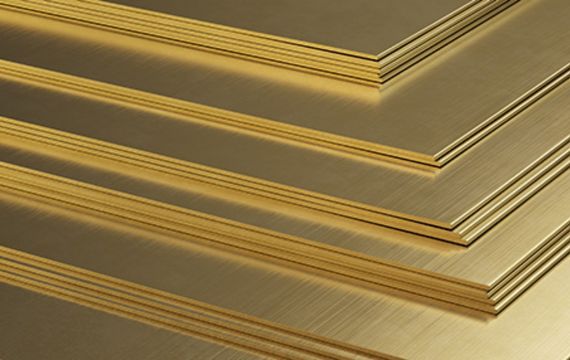
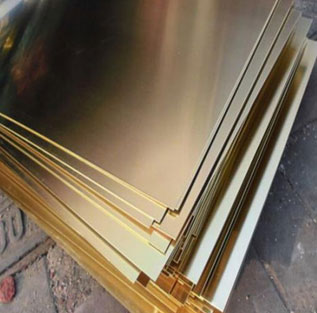
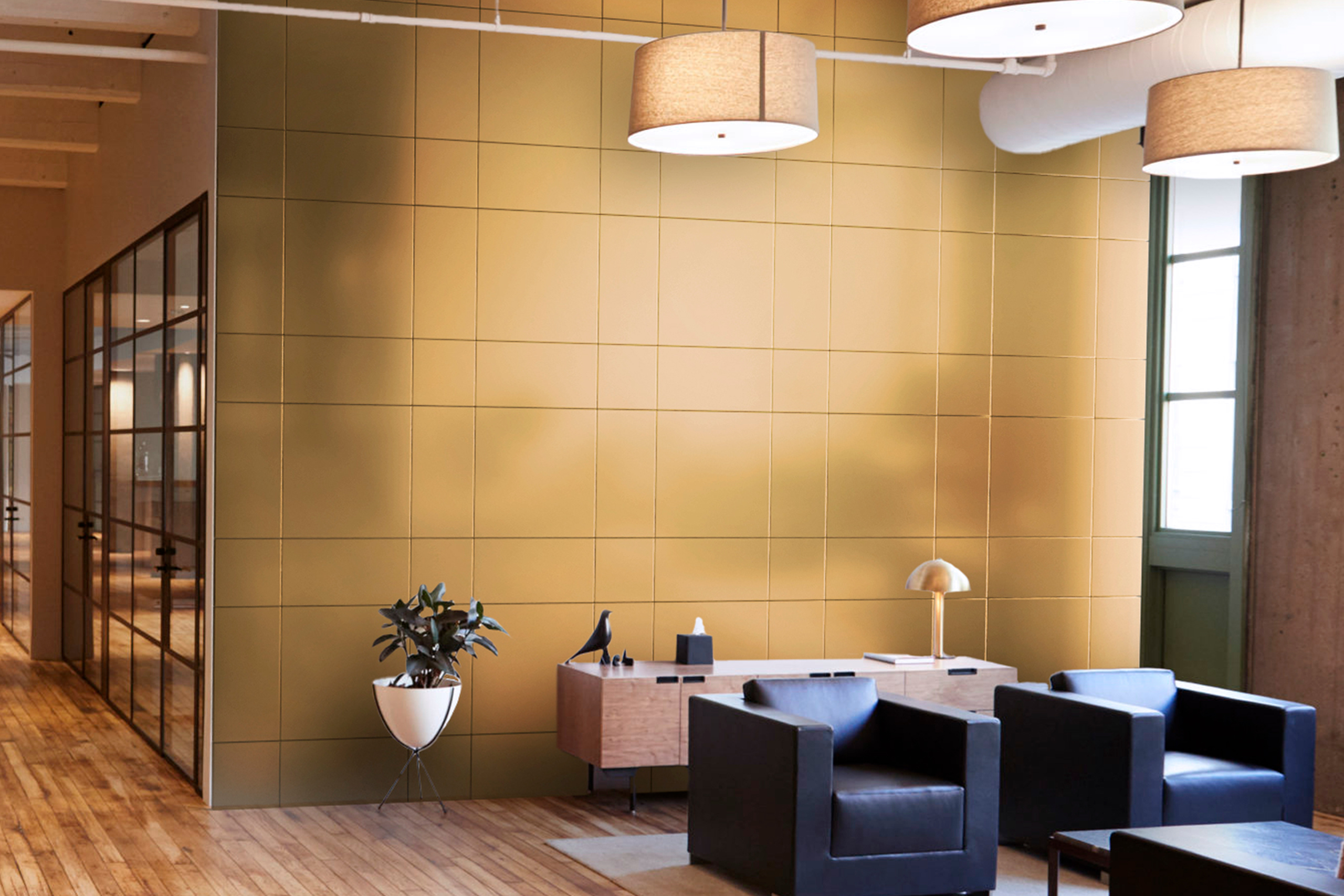
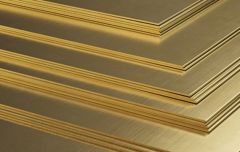
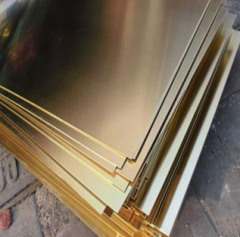
Brass sheets are solid copper–zinc alloy, rolled flat and finished on the face rather than plated or printed. The colour is in the metal, so a panel keeps its warmth as the light changes through the day, and a brushed surface that takes a scuff can be worked back rather than repainted. Where a scheme needs warmth against stone, dark timber or black metal, decorative metal sheets in brass give interior wall decoration a depth that a flat painted panel rarely matches. In custom metal furniture it usually becomes the door face, the counter front or a table edge that takes the wear. Every sheet is cold rolled, so thickness and flatness hold from one piece to the next — the detail that decides whether a run of panels lines up along a lobby wall. The face is then polished, brushed or chemically aged, which is where the tone of the whole scheme is decided. Gauge decides where a sheet can go. At the thin end of the range it wraps a stable substrate or a door core; at the heavy end it holds its own shape on a bar front or a free-standing counter where the panel is knocked at hip height. Tell us the position and we will help match the gauge to it.
Surface Finishes
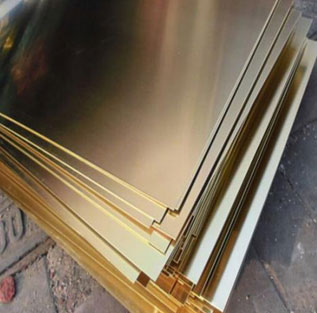
- Polished — the brightest face we supply, throwing light across a lobby or a reception wall. It marks more readily than the other three, so keep it above hand height or where it is wiped as part of the daily round.
- Brushed — a directional satin grain that softens reflection and hides everyday handling, which is why it is the usual choice for office corridors and other busy walls. The grain runs one way, so set the orientation out on the drawing and keep every panel on a run facing the same direction.
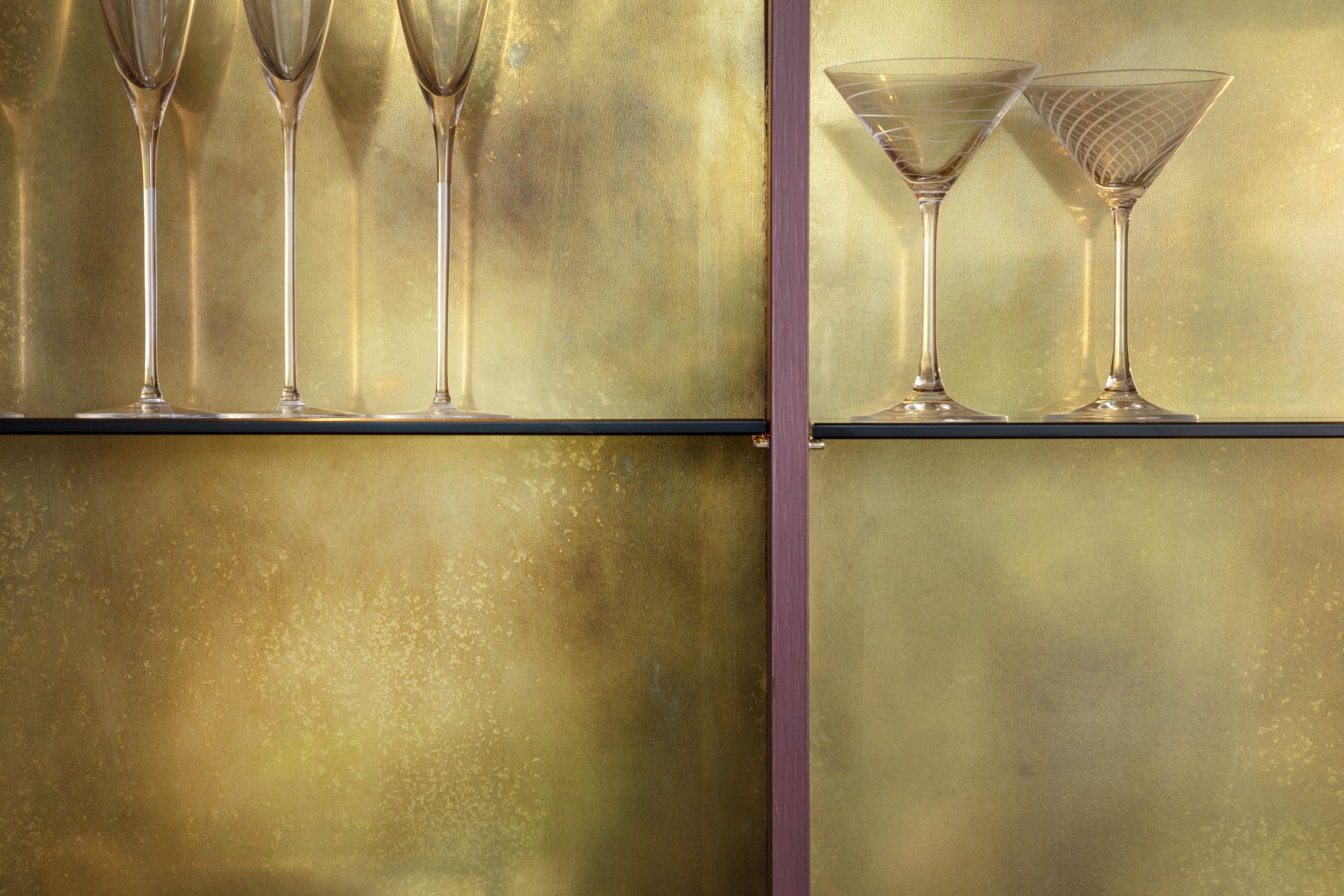
- Antique — chemically aged and mottled for depth, giving feature walls and bar fronts an established look rather than a new one. Because the ageing is chemical, no two sheets come out identical; plan for that variation instead of treating it as a fault.
- Oxidized — a darker, quieter tone for moodier interiors, dark joinery and custom commercial furniture, where the metal should recede instead of shine.
- All four in one scheme — every finish runs across our decorative metal sheets, so a brushed field can carry antique or oxidized accents on a reception desk, a column or a lift surround.
- Edges and cut faces — a cut edge shows the alloy rather than a coating, so it reads as a fine bright line unless you ask for it to be worked back to match the face. Say on the drawing whether edges will be visible.
Tone Matching & Batch Control
- Start with a physical finish sample and look at it on site — in daylight at the window and again under the interior lighting, because a polished face in a cool-lit corridor reads far greyer than it does in a showroom.
- Approve against that sample rather than against a photograph on a screen, and put the finish name on the order, whether the run is wall panels or custom furniture, so there is no ambiguity once production starts.
- When the metal sheets arrive, unwrap and lay them out together before anything is cut. Natural alloy varies slightly from sheet to sheet, and the batch has to be judged as a whole in raking light.
- Give the closest-matching sheets to the panels people see first — the wall behind reception, the first lining inside the lift lobby — and send the less even sheets to low-visibility positions such as inside a cabinet, under a counter or above a door head.
- Record which sheet went where on the drawing, so a replacement panel in two years can be matched to the same part of the run instead of being re-specified from scratch.
Installation & Fixing
Adhesive bonding suits flat wall and custom furniture applications where the panel stays in place. Panel adhesive spreads the load across the back of the sheet and leaves the face free of fixings, which is what a reception wall or a cabinet front wants. The substrate has to be flat, dry, clean and sealed wherever moisture could reach the back of the sheet; bond a panel over a hollow or a damp patch and the defect telegraphs through a thin gauge.
Mechanical fixing is for panels that must be removable or carry their own weight — counter fronts, door faces, custom commercial furniture fronts, cladding runs, and any position where access is needed behind the metal. Fixings need enough edge distance to hold without dimpling the face, so set them out on the drawing rather than on site.
Setting out. Set joints and vertical seams before fixing anything. Where metal sheets run outside, leave a small movement gap and align the seams with the wider grid of the façade, so the metal reads as part of the building rather than an applied skin.
Cutting and handover. Cut and drill to the setting-out drawings and keep the visible face covered while work carries on around it. At handover, lift any adhesive residue and wipe the face with a soft dry cloth.
Applications
| Application | Where it is used | What to specify |
| Hotel & bar fronts | Reception desks, back-bar panels, lobby columns | Antique or oxidized where the metal sits behind lighting and should read as aged |
| Commercial interiors | Till counters, display plinths, shopfront reveals, restaurant alcoves | Brushed, because these are the panels staff and customers touch daily |
| Feature walls | Interior wall decoration in boardrooms, stair cores and lounges | Polished where a dim space needs lifting; brushed along long runs |
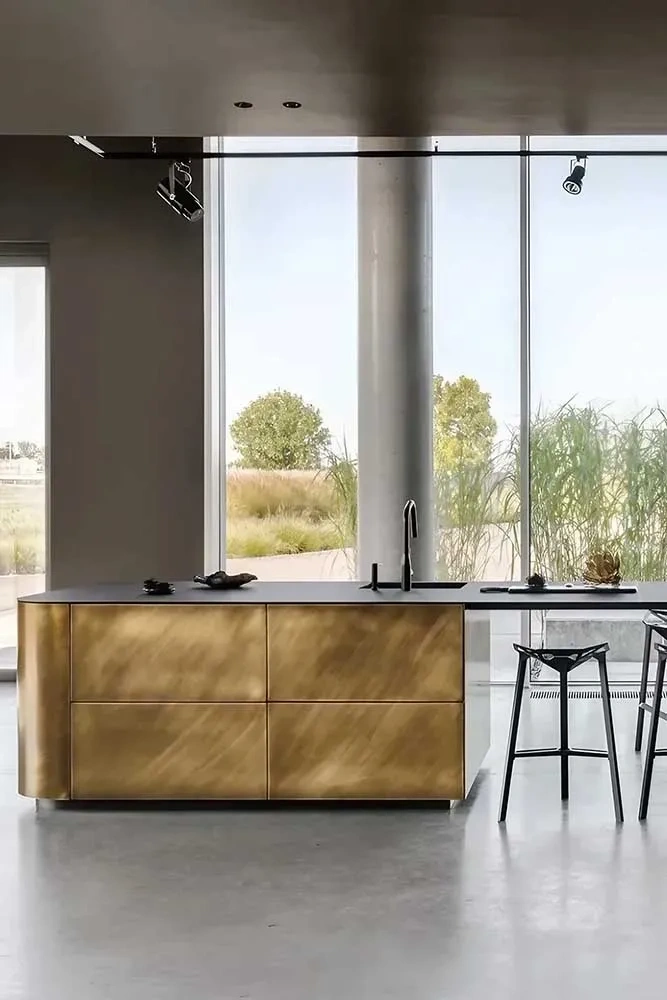
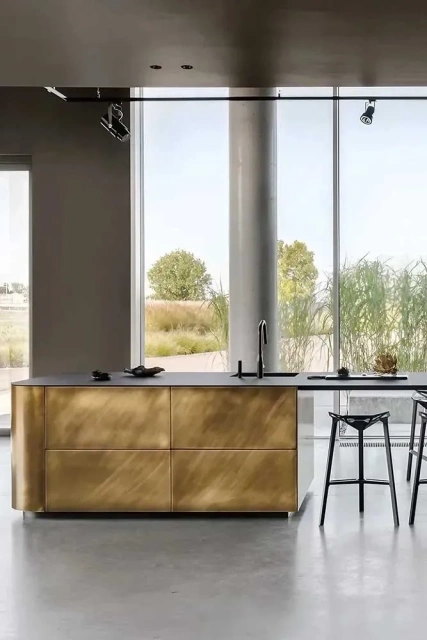
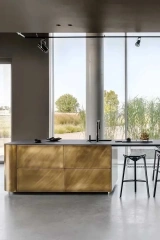
| Furniture & joinery | Custom furniture panels, cabinet door faces, table edges, kitchen islands | Heavier gauge for counter fronts and island bases; thin gauge over a stable door core |
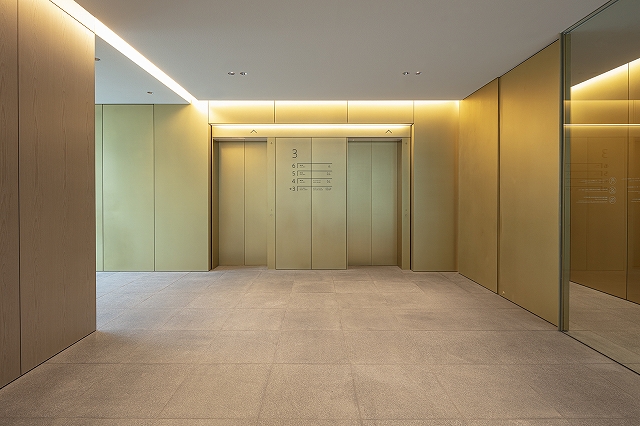
| Lift lobbies & corridors | Wall linings, door surrounds, wayfinding bands | Brushed, with the grain set in one direction across the whole run |
| Exterior detail | Entrance canopies, fascia bands, cladding runs | Mechanical fixing, movement gaps and a sealed or coated face — tell us the exposure before the detail is fixed |
Specifications
| Item | Description |
|---|
| Base Material | Copper–Zinc Alloy |
| Standard Dimensions | 1000×2000 mm, 1220×2440 mm (custom sizes available) |
| Thickness Range | 0.6–2.5 mm |
| Surface Finish | Polished, Brushed, Antique, Oxidized |
| Manufacturing Process | Cold rolling, Polishing, Chemical aging |
| Fire Rating | Class A (non-combustible) |
| Environmental Rating | Recyclable, Natural alloy |
| Installation Methods | Adhesive bonding, Mechanical fixing |
| Maintenance | Optional coating to maintain color tone |
| Typical Applications | Feature walls, Furniture panels, Retail & Hospitality interiors |
Care & Maintenance
- Dust the face of the metal sheets with a soft dry cloth as part of the normal cleaning round. On interior wall decoration in a lobby or corridor, that alone stops most marks from settling into the grain.
- For fingermarks, wipe with a damp cloth and a little mild soap, then dry the panel straight away — it is standing water that leaves a patch, not the damp cloth.
- Keep scouring pads, abrasive cream and solvent-heavy cleaners off the face. On a brushed panel they cut across the grain and leave a dull patch that cannot be blended back in.
- Work from the top of the panel downwards and finish with a dry microfibre cloth; on polished faces this is what stops streaks showing where light rakes across the wall.
- Look at the run again a few months after handover. Panels touched daily — a counter face, a door push plate — will show wear first, and that is the moment to decide whether the optional coating needs refreshing.
Custom Sizing & Ordering
- Custom sizes to your drawing — sheets outside our two standard formats are produced to your setting-out drawing, so a wall can be planned in whole panels rather than cut and filled on site. Send the elevations with the panel sizes marked and we will work to those dimensions.
- OEM production — finish, thickness and sheet size matched to your approved sample and project schedule, with the panel schedule for a run of lift surrounds or a bar front produced as one set.
- One range behind the metal — alongside brass, our decorative metal sheets cover aluminium, copper and stainless steel, and the wider supply range takes in fabric-covered panels, glass and mirror, leather-finish surfaces, stone slabs and wallcoverings. A commercial interior can then be specified from one place, with the brass tone chosen against the actual stone and glass rather than a photograph.
- Samples before release — where a finish still has to be signed off by a design principal or an end client, ask your sales contact about sample availability early so approval does not sit on the critical path.
- Reference documents — current sheet data and the finish set can be supplied for your submittal package; ask your sales contact for what your project needs.
- Repeat and replacement orders — keep the finish name, thickness and sheet size of each run on file. A later phase or a damaged panel can then be re-ordered to the original specification, which matters most on antique and oxidized faces.
- Terms, packing and shipping — packing specification, export documentation, shipping terms and lead time are confirmed per order with your sales contact; bulk orders for custom commercial furniture and fit-out packages are scheduled against the project programme.
Supply Chain & Delivery Assurance
Guangzhou Chuxin Import & Export works as the coordination point between your project and the suppliers who make it. We consolidate the categories a fit-out needs into a single order, match each specification to suppliers in our global procurement network, and follow it through sampling, pre-shipment inspection, export documentation and cross-border delivery to the Americas, Europe, Southeast Asia and the Middle East. Custom sizing and OEM coordination are arranged around your drawings and programme, and one contact tracks the order from approved sample to arrival, so a multi-category package moves on one schedule.
FAQ
Can you supply custom sheet sizes and all four finishes for one project?
Yes. Brass sheets are produced to your setting-out drawings as well as in the two standard sheet formats, and polished, brushed, antique and oxidized can all be supplied on the same order, so a scheme can pair a brushed field with antique accents. Send the panel schedule for custom metal furniture, bar fronts or lift surrounds together with the finish name you have approved, and production is matched to it.
What are brass sheets made of, and why that alloy?
A copper–zinc alloy. The zinc gives the sheet its strength and its warm golden tone, while the copper carries the colour through the metal instead of laying it on the surface as a coating would. That is why a cut edge or a drilled hole shows the same colour as the face, why the material holds up to corrosion without depending on a film, and why a marked panel can be refinished later rather than replaced.
Should the panels be bonded or mechanically fixed?
Both work, and the choice usually comes down to whether the panel ever has to come off. Panel adhesive is the cleaner answer on flat wall and furniture applications, because it spreads the load and leaves the face free of visible fixings. Mechanical fixings suit panels that carry their own weight or need to be removable — counter fronts, door faces, cladding runs. On exterior runs we set joints and movement gaps out before fixing and align the seams with the façade grid.
Can brass be used in humid interiors or outside?
The metal is a solid alloy rather than a coated sheet, so humidity does not lift a film from it. For bathrooms, pool areas, coastal sites and exterior runs, two details decide how it performs: the substrate behind the panel has to be sealed wherever moisture can reach the back, and the fixing method should let a panel be removed for inspection. Tell your sales contact where the panels will sit so the coating and fixing detail can be agreed for that exposure.
Will the colour change after installation, and can it be held?
Left bare, brass keeps developing its tone as it meets air and handling — slowly on an interior wall, faster where it is touched every day. Antique and oxidized start further along that path deliberately. If the delivered tone has to hold, ask for the optional protective coating, which slows the change; the trade-off is that a coated face needs re-checking on the panels people handle most. Settle that choice before production, because it affects how the finished panels are prepared.
Is brass sheet suitable where a fire classification is required?
The sheet itself is Class A non-combustible. The performance of a finished wall also depends on what sits behind the panel — the substrate, the adhesive and any cavity — so give your sales contact the build-up you are constructing and the classification the project requires, and the specification can be checked against that assembly rather than against the sheet alone.