Product Overview
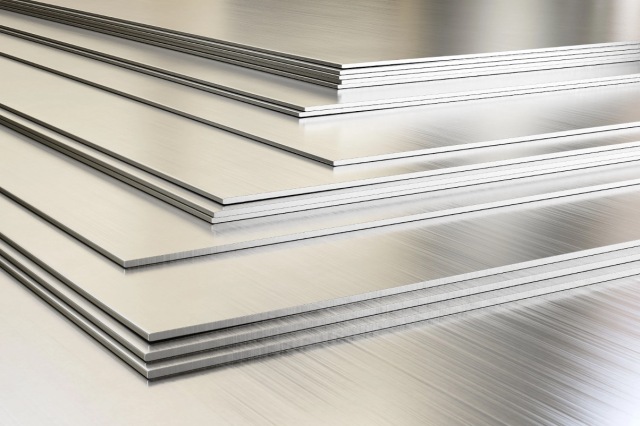
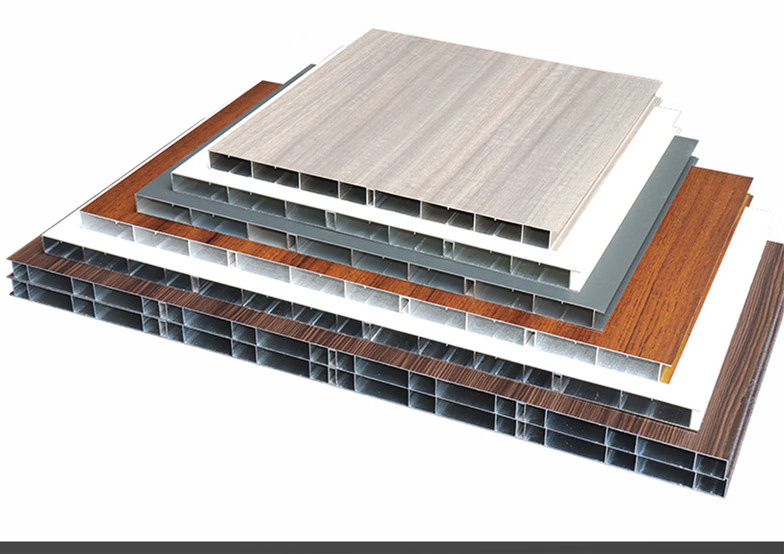
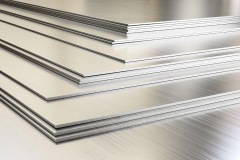
Aluminum sheet here means a flat alloy panel, rolled and finished, then cut to the size the drawing asks for. The face is the variable — it is chosen by where the panel sits and how it will be cleaned — while everything behind it stays the same: light, rigid enough to hold a flat plane at full panel size, and workable with ordinary sheet-metal tools. Each order is produced by a decorative aluminum panel manufacturer working to the reference you approve, then cut and packed to your setting-out. The people who buy it are usually fitting out a building rather than buying metal by the tonne — often as an aluminum facade panel wholesale order: facade subcontractors setting a cladding run, joinery shops building reception desks and bar fronts, and fit-out contractors who need the metal to arrive alongside the stone, glass and wall finishes on the same programme. What it usually replaces is painted MDF, a composite panel or a damaged metal face — and what it gives back is a surface that will not delaminate, will not need repainting, and can be replaced panel by panel.
Surface Finishes And Where They Suit
- Anodized — an electrochemical finish that grows out of the aluminum itself, so the colour and texture sit in the metal rather than on top of it. Anodized aluminum facade sheets hold their tone on surfaces that are cleaned often, and there is no coating edge to lift where the sheet has been cut.
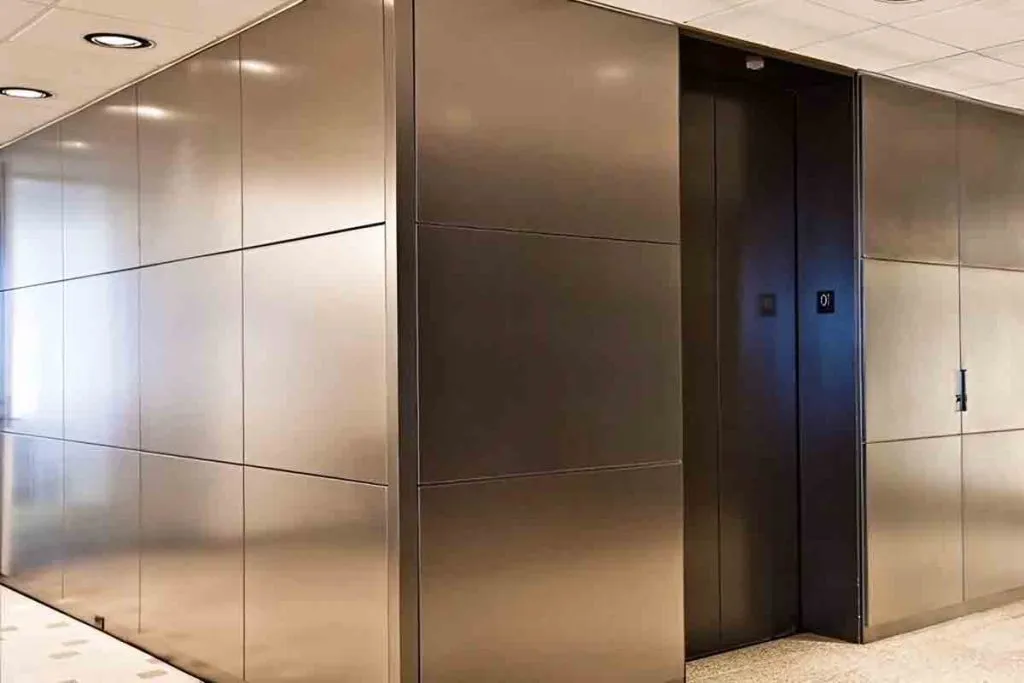
- Brushed — a fine directional grain with a soft metallic sheen. Brushed aluminum wall panels are ordered for the way the grain scatters light: it hides the light handling marks a busy wall collects and reads calm across a long run.
- Powder-coated — sprayed and cured in an oven, laying an even solid colour across panels produced at different times. Powder coated aluminum sheets are the choice when the design wants a specific colour rather than a metal look — shopfront fascias, signage plates and joinery fronts where one flat tone has to run unbroken.
- PVDF — a resin-based coating system specified for facades that have to hold their appearance through sun, rain and temperature swing. It is the exterior-grade option in the range.
- Finish approval — check the chosen finish against a physical reference from your aluminum sheet supplier in daylight and again under the lighting it will live in before production. A metallic surface changes character between the two: warm downlights pull silver toward champagne, north light pulls it back to grey.
Material, Weight And Working Behaviour
Aluminum alloy is what makes a large panel manageable. For the stiffness a facade or a ceiling plane needs, the sheet weighs a fraction of steel, so two people can set a full panel, the subframe behind it carries less, and a tall column casing does not need a crane. It resists corrosion without depending on a coating: the surface forms its own thin oxide layer, which is why, on anodized aluminum facade sheets, a scratch stays a scratch rather than a rust bloom spreading from a cut edge.
The metal is easy to work, which matters more on a fit-out than it sounds. It folds, bends and takes perforation cleanly, so a fabricator can turn flat stock into a column casing, a folded return, a fascia with a crisp arris or a perforated screen from the same delivery. CNC cutting deals with openings for sockets, grilles, signage and fixings before the sheet ships, so the site is not opening up panels with a jigsaw and touching in the cut.
One honest limit: aluminum is softer than steel. It is fully recyclable and holds its finish, but it will dent where a trolley or a scaffold pole hits it. That is a question of position and gauge, not of quality — keep the heavier end of the range low and exposed — and it is the reason our decorative metal sheets range also includes stainless steel for anyone who needs a harder face in exactly those places.
Fixing And Mounting
- Survey the substrate and set out the panel grid before a single sheet is cut, so joints fall on the structural lines the elevation calls for rather than wherever a sheet happens to end.
- Build the subframe or dry hanging system to the drawings first. It carries the panels and is what keeps joints even across a long run; adjusting at the sheet will never correct a frame that is out of line.
- Choose the fixing per detail: riveting where a direct mechanical fixing suits the panel and the reveal, subframe mounting where aluminum cladding panels need to float slightly for movement and ventilation behind them.
- Check the run as it goes up, alignment and joint width panel by panel. Resetting one sheet after the elevation is complete costs far more than stopping mid-run to check a level line.
- Detail the junctions — HVAC grilles, light fittings, signage and service penetrations — so individual panels can be lifted out later without disturbing their neighbours.
- Keep the visible face protected while the trades around you finish, and strip the protection only when the work that could mark it is done.
Cleaning And Long-Term Appearance
- Wash-down — a soft cloth or sponge, a mild neutral detergent, then a rinse and a dry wipe. Airborne dust and traffic film come off easily while they are fresh; left long enough they bond to the surface.
- Along the grain — on brushed aluminum wall panels, wipe in the direction of the grain and never with an abrasive pad or scouring cream, which will cut a visible patch into a directional finish.
- What to avoid — acidic or strongly alkaline cleaners, and anything carrying chlorine, dull an anodized face and can stain a cured coating. On powder coated aluminum sheets a pH-neutral wash is the only chemistry the surface needs.
- Joints and fixings — check them at handover and again after the first wet season. Water sitting behind a panel does far more damage than dirt sitting on the front of it.
- Coastal and humid sites — rinse more often. Salt and humidity reach the surface first, and a regular rinse removes them before the finish has to deal with them.
Applications
- Ventilated facades — exterior cladding set on a subframe with a drained, ventilated cavity behind it, so the building sheds water and heat instead of trapping them.
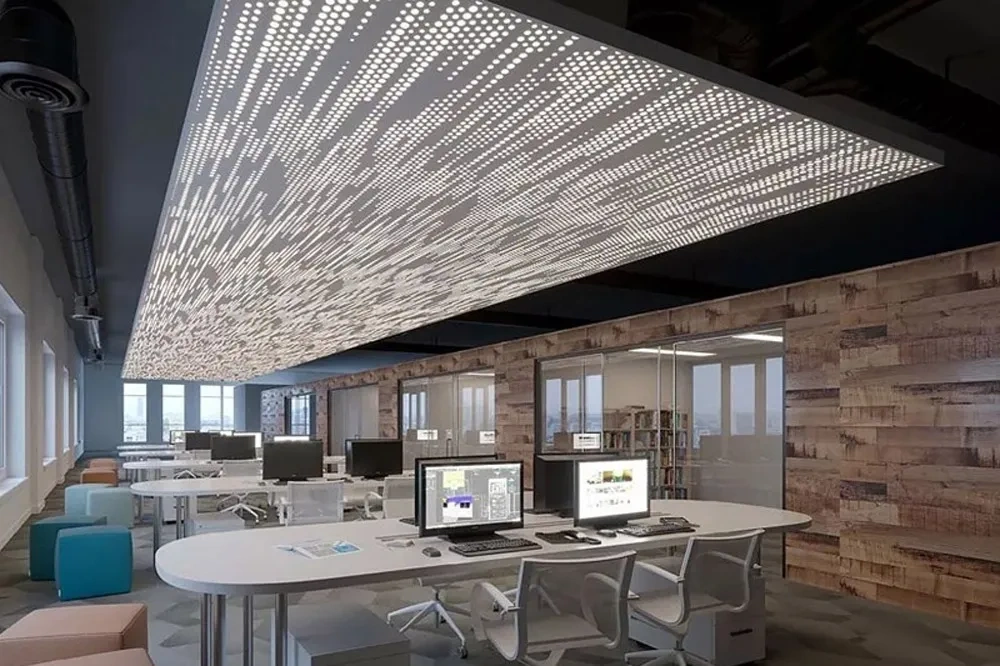
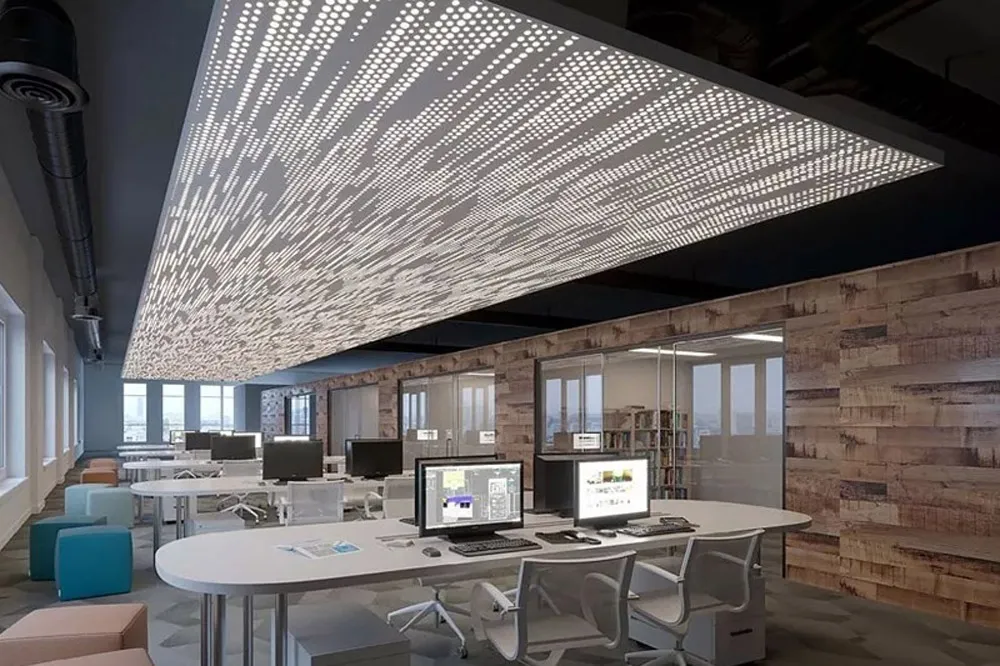
- Suspended and perforated ceilings — panels rolled and perforated to a layout and hung on a support grid, sometimes lit from behind so the ceiling reads as a field of light; powder coated aluminum sheets suit this because a solid colour keeps the plane visually flat.
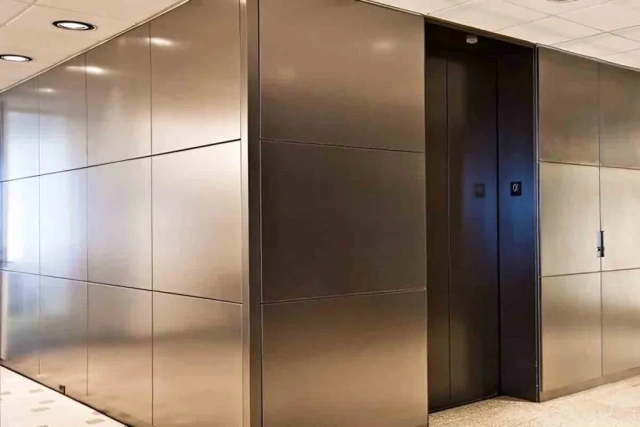
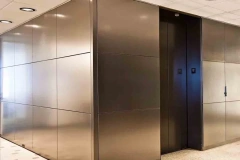
- Lift lobbies, columns and reception walls — brushed aluminum wall panels around lift openings and column casings, installed so a single panel can be removed later without touching its neighbours.
- Joinery and furniture — cabinet fronts, reception desks, bar fascias and table tops, where a metal face goes over a solid core for wear as much as for looks.
- Signage and wayfinding — letters, plates and directory panels cut from sheet; a flat coated face gives vinyl, print and applied graphics something true to sit on.
- Light transport and equipment panels — the same alloy turns up in automotive trim and equipment housings, wherever a formable metal face is wanted at low weight.
Specifications
| Property | Specification |
|---|
| Base Material | Aluminum Alloy |
| Standard Dimensions | 1220×2440 mm, 1500×3000 mm (custom sizes available) |
| Thickness Range | 0.8–4.0 mm |
| Surface Finish | Anodized, Brushed, Powder-coated, PVDF |
| Manufacturing Process | Rolling, Anodizing, CNC cutting |
| Fire Rating | Class A (non-combustible) |
| Environmental Rating | Fully recyclable, Lightweight material |
| Installation Methods | Dry hanging system, Riveting, Subframe mounting |
| Maintenance | Low maintenance; corrosion-resistant |
| Typical Applications | Facades, Ceilings, Furniture panels, Signage |
Ordering And Delivery
- Send the drawings, quantities and the finish reference you want quoted. Pricing is built from the panel sizes on those drawings rather than from a headline sheet rate.
- Confirm packing and labelling: aluminum cladding panels are bundled and labelled by elevation or by floor, so the delivery matches the order the installers will work in.
- Agree the commercial terms for the order — payment schedule, delivery window and the point at which the goods pass to you — with your sales contact; as your aluminum sheet supplier we set these per order rather than publishing them as standard.
- Confirm the shipping arrangement for international orders, which are handled through established logistics partners for customs clearance and secure transport, with the documents travelling alongside the consignment.
- Keep one contact on the order. That person tracks production, inspection, documents and arrival, so a question has one place to go.
- Send the drawings, the elevation schedule and the finish reference you are working to; sheet format, thickness and joint set-out are read from them rather than estimated from a photograph.
- Ask your sales contact about sample availability for the surface you have in mind — as the aluminum sheet supplier for the order we would rather you reject a finish before production than after installation.
- Match production to a decorative aluminum panel manufacturer whose line runs the finish and the gauge you need, and hold that specification through the run.
- Approve the setting-out and cut-out details, so openings for grilles, sockets, signage and fixings are made before dispatch instead of on site.
- Run in-process checks and a pre-shipment inspection across the face, the thickness and the cut edges, on the panel and on the bundle as it will be opened.
- Label the bundles by elevation, so each set arrives complete and the installers are not sorting a mixed stack on the floor.
Supply Chain & Delivery Assurance
Guangzhou Chuxin Import & Export works as the coordination point between your project and the suppliers who make it. We consolidate the categories a fit-out needs into a single order, match each specification to suppliers in our global procurement network, and follow it through sampling, pre-shipment inspection, export documentation and cross-border delivery to the Americas, Europe, Southeast Asia and the Middle East. Custom sizing and OEM coordination are arranged around your drawings and programme, and one contact tracks the order from approved sample to arrival, so a multi-category package moves on one schedule.
We quote from the drawing rather than from a stock list. As an aluminum sheet supplier for fit-out and facade packages, we work to the sizes on your elevations: the two standard formats cover most work, and anything outside them is cut by CNC to the panel size the setting-out calls for, openings and notches included. Custom sizing and OEM production are part of a normal order, so a specification is matched to your drawings and your programme instead of being adjusted to whatever size is on the shelf. That flexibility is what makes aluminum facade panel wholesale programmes practical. A whole elevation can be produced to one approved reference, bundled by floor or by elevation, and released against the installation sequence, so a panel replaced a year later can be cut to the same size and the same finish rather than re-detailed. The same approach runs across the wider decorative metal sheets range — brass, copper, stainless steel and galvanized sheet — so a scheme that mixes metals is specified against one set of drawings.
FAQ
Can the sheets be perforated, embossed or cut to a pattern?
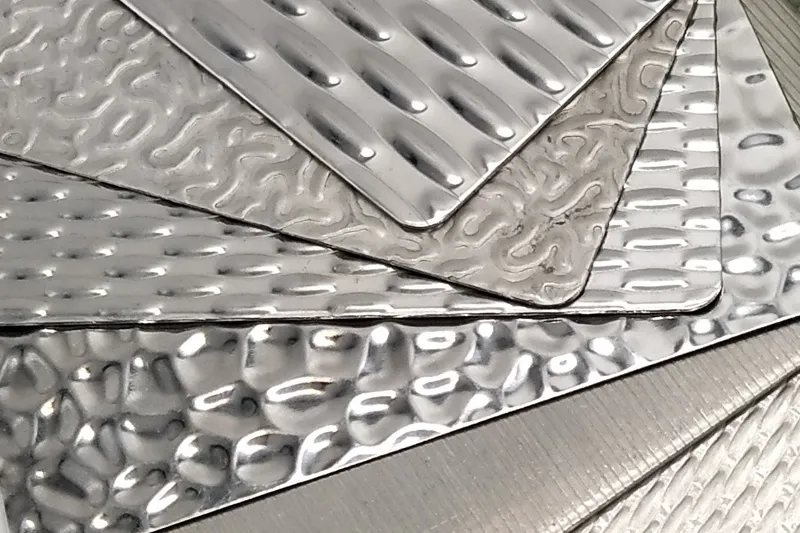
Yes. Perforated and embossed formats sit inside the decorative metal sheets range, and the pattern comes from your drawing rather than a fixed catalogue — hole shape, pitch and open area for a ceiling or a screen, a reference texture for an embossed face. One thing to plan for: perforation removes material, so an open pattern loses stiffness and usually needs a heavier gauge or a tighter support grid than a solid panel of the same size. Send the layout with the drawing and we will confirm what the pattern allows before it is frozen.
Which thickness should I choose — the thin end or the thick end of the range?
It follows the job. At the thin end the sheet suits ceiling pans, fascias, signage and furniture facings, where low weight and easy handling matter most. At the thick end it has the stiffness a large facade panel needs to hold a flat face across a span and stand up to wind without drumming. In between, the gauge follows the subframe spacing and the fixing detail: the further apart the supports, the more sheet the panel needs. Send the elevation and the frame layout and we will confirm the gauge that carries it.
Will the panels stand up to coastal or humid air?
The alloy resists corrosion on its own because the surface forms a thin oxide layer, and anodized aluminum facade sheets take that further by making the oxide layer part of the finish. Where a building sits close to the sea or in persistent humidity, the coating matters more than the alloy: PVDF is the system we would point to for an exposed facade, and the fixings, cut edges and drilled holes need the same attention as the face. Rinsing the surface more often than an inland building needs is the simplest long-term protection.
What does a Class A fire rating actually cover on this sheet?
The aluminum alloy itself is non-combustible and classified Class A, so it will not feed a fire or add fuel to a compartment. That rating applies to the sheet, not automatically to the whole build-up: the subframe, insulation, cavity barriers and fixings each carry their own classification, and an exterior facade assembly is assessed as a system. For interior work — a ceiling, a wall lining, a lift lobby — the sheet's own classification is usually what the specification asks for. Aluminum cladding panels used externally should be detailed with the cavity and barrier requirements of the project's code.
Is aluminum too soft for desks, lift jambs and other high-contact surfaces?
It is softer than steel, and position decides the answer. A reception desk front, a lift jamb or a table top that takes bags and trolleys every day will show dents in a thin aluminum face; the same sheet in a wall lining, a ceiling or a fascia will not. Where the design wants aluminum and the position is punishing, a heavier gauge or a protective detail along the impact line usually solves it. Where hardness is the priority for that one surface, stainless steel in the same range is the better sheet.
How closely will two panels match if they come from different batches?
Anodized and brushed surfaces are never identical from one production run to the next. The workable approach is to produce each elevation against one approved reference in a single run, bundle it as a set, and keep that reference on file for replacements; when the sheet is run by the same decorative aluminum panel manufacturer against one approved reference, tone stays within what the eye reads as a single surface. If a later addition has to sit beside an existing wall, expect a slight difference and plan the joint where it will not draw the eye.